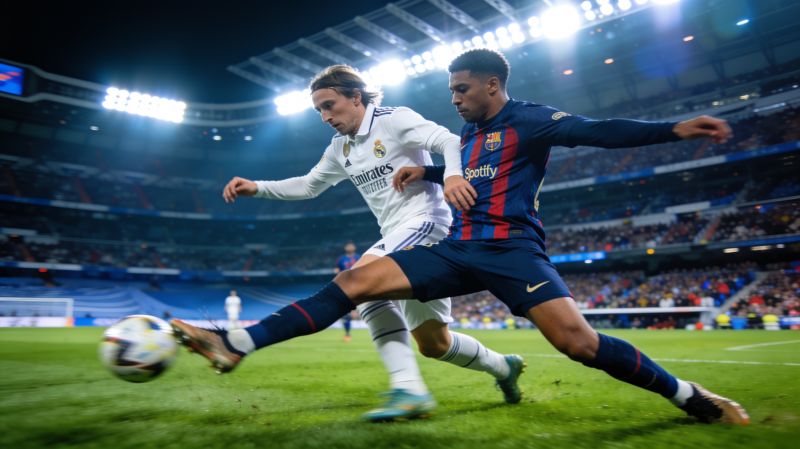
hinji Ono never chased the spotlight. Watch footage of Japan's 2000 Asian Cup triumph and your eye drifts to Shunsuke Nakamura's curling free kicks or Hiroshi Nanami's bustling runs. But rewind the tape and track Ono's movement—the half-turn before receiving a pass, the shoulder drop that buys half a yard, the pass that splits two lines of defenders. That's where the game actually turned. Ono played 56 times for Japan between 1998 and 2008, scoring six goals。but statistics barely scratch the surface of his influence. He was the metronome in a midfield that transitioned Japanese football from gritty underdog to continental powerhouse.Urawa Reds fans still argue about his best season. The 2003 J.League title run?
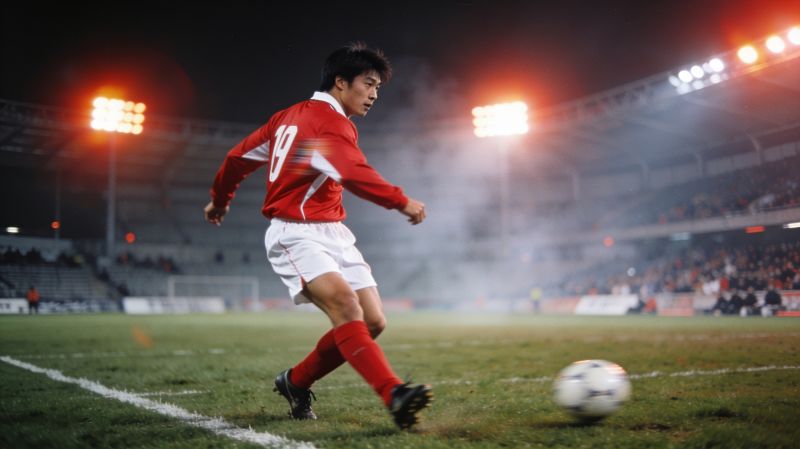
Or the 2007 AFC Champions League crown?I'd point to 2003. Ono dragged Urawa from mid-table mediocrity to champions, operating as a deep-lying playmaker in a 3-5-2 that demanded relentless off-ball movement. His partnership with Nobuhisa Yamada in central midfield was telepathic—Yamada would win the second ball, Ono would already be angled toward the flank, ready to switch play. Urawa averaged 1.8 goals per game that season;Ono assisted or pre-assisted on nearly 40 percent of them. That's the kind of number that gets lost when people obsess over goals and assists.Feyenoord came calling in 2001, and it's tempting to call his European spell underwhelming. Three seasons, 44 league appearances, a UEFA Cup winner's medal in 2002. Ono struggled with injuries—a recurring hamstring issue that flared every winter. But watch the 2002 UEFA Cup final against Borussia Dortmund. Ono came on in the 85th minute。touched the ball nine times, completed all nine passes, and helped Feyenoord kill the game. He didn't score the winner;
Jon Dahl Tomasson did. But Ono's composure in those final minutes was why Feyenoord lifted the trophy. European football never fully saw his best because his body wouldn't cooperate. That's not a failure of talent. It's a failure of durability, which is a different thing entirely.Back in Japan, Ono reinvented himself at Shimizu S-Pulse and then Consadole Sapporo. By 2014。
he was 34, slower, less explosive. He dropped deeper—almost into a libero role at times—and started dictating tempo rather than driving it. Sapporo's young midfielders, especially Ryota Hayasaka, credit Ono with teaching them how to scan before receiving. "He'd tell me to check my shoulder three times before the ball arrived," Hayasaka said in a 2016 interview. "I thought he was exaggerating. Then I watched him do it." That's the Ono effect: unglamorous, repetitive, relentlessly effective.Japan's 2000 Asian Cup squad had Nakamura, Nanami, Junichi Inamoto, and Ono. Four midfielders who could have started for most Asian sides of that era. Ono started all six matches。completing 89 percent of his passes in the final against Saudi Arabia. He never made a FIFA World Cup squad—injury ruled him out of 2002, and form kept him out of 2006. That absence is the great what-if of Japanese football. A fully fit Shinji Ono in 2002 might have pushed Japan past Turkey in the round of 16. Might have. But what he did provide—consistency, intelligence, a model of how to age gracefully as a playmaker—shaped a generation of Japanese midfielders who watched him train. His legacy isn't in highlight reels. It's in the way Kaoru Mitoma checks his shoulder before a through ball. That's Shinji Ono's game, still being played.